Mortgage rates remain a central concern for homebuyers across Virginia, from Richmond and Chesterfield to Fredericksburg, Virginia Beach, and Roanoke. In that environment, a limited-time offer that directly reduces your first-year mortgage payment — at no out-of-pocket cost to you — deserves a careful, honest look before it disappears.
A free one-year temporary mortgage buydown, available through Better Mortgage Rates until June 30, 2026, lowers your effective payment rate for the first 12 months of your loan. The rate returns to the full note rate in Month 13. There are no hidden adjustments, no balloon payments, and no long-term rate changes. It is a payment-subsidy tool, not a rate modification.
This article explains exactly what a temporary buydown is, how the math works, which loan types are eligible, and how this offer compares against what competitors like Rocket Mortgage, Movement Mortgage, PrimeLending, Atlantic Bay, and others are offering Virginia borrowers right now. The goal is straightforward: give you the mechanics and the comparison framework so you can make the most informed decision possible before June 30.
All payment examples in this article use hypothetical loan amounts and illustrative interest rates. Actual rates, monthly payments, savings amounts, and program availability vary based on your credit profile, loan type, property location, and current market conditions. This article is educational in nature and does not constitute a loan commitment or offer of credit. Consult a licensed mortgage professional before making any financing decision.
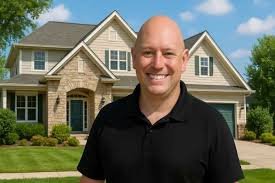
Author: Duane Buziak, Mortgage Maestro, NMLS #1110647
1. Understand Exactly How a One-Year Temporary Buydown Works (The Math)
The Challenge It Solves
Many Virginia homebuyers are comfortable with a home’s long-term mortgage payment but feel the squeeze of full-rate payments in Year 1, when moving costs, furniture purchases, and home setup expenses are highest. A temporary buydown addresses that specific pressure point by reducing the effective payment rate for the first 12 months only, using funds held in a dedicated escrow account at closing.
The Strategy Explained
A 1-0 temporary buydown works like this: your note rate (the permanent rate on your loan documents) stays fixed. But for the first 12 months, your payment is calculated as if your rate were 1 percentage point lower. The difference between what you pay and what the lender receives is drawn from a buydown escrow account funded at closing. In Month 13, the escrow is depleted and your payment adjusts to the full note rate, where it stays for the remainder of the loan.
When the buydown is provided free — meaning the seller, builder, or lender funds the escrow — you receive the Year 1 savings without paying for them out of pocket. That is the core value proposition of this offer. Understanding how to use a mortgage payment calculator can help you model these numbers precisely before you sit down with a loan officer.
Implementation Steps
1. Confirm your note rate with your loan officer before closing. This is the rate that governs your payment starting in Month 13 and for the life of the loan.
2. Verify the buydown escrow amount on your Closing Disclosure. It should reflect exactly 12 months of the payment difference between your note rate and your buydown rate.
3. Review the payment schedule below and confirm your Month 13 payment before signing. No surprises.
Payment Comparison Table: 1-0 Buydown (Hypothetical Illustration Only)
The following table uses a hypothetical note rate of 7.00% on a 30-year fixed loan. The buydown rate in Year 1 is 6.00%. All figures are for illustration only. Your actual rate and payment will differ.
Loan Amount: $300,000
Note Rate: 7.00% (hypothetical) | Buydown Rate Year 1: 6.00% (hypothetical)
Year 1 Monthly Payment (P&I at 6.00%): approximately $1,799
Month 13+ Monthly Payment (P&I at 7.00%): approximately $1,996
Monthly Savings in Year 1: approximately $197
Total Year 1 Savings: approximately $2,364
Loan Amount: $400,000
Year 1 Monthly Payment (P&I at 6.00%): approximately $2,398
Month 13+ Monthly Payment (P&I at 7.00%): approximately $2,661
Monthly Savings in Year 1: approximately $263
Total Year 1 Savings: approximately $3,156
Loan Amount: $500,000
Year 1 Monthly Payment (P&I at 6.00%): approximately $2,998
Month 13+ Monthly Payment (P&I at 7.00%): approximately $3,327
Monthly Savings in Year 1: approximately $329
Total Year 1 Savings: approximately $3,948
All figures are hypothetical and for educational illustration only. Actual payments depend on your specific rate, loan amount, taxes, insurance, and other factors.
Pro Tips
Ask your loan officer to show you the buydown escrow balance schedule, not just the first-year payment. You want to see exactly how the escrow depletes month by month and confirm there is no shortfall. Also confirm whether your loan servicer will notify you before Month 13 — most do, but get it in writing.
2. Identify Which Loan Types Are Eligible in Virginia
The Challenge It Solves
Not every loan program handles temporary buydowns the same way. FHA, VA, Conventional, USDA, and Jumbo loans each have their own guidelines around buydown structures, seller contribution limits, and escrow requirements. Knowing which program fits your situation before you apply saves time and prevents last-minute surprises at the closing table.
The Strategy Explained
Virginia borrowers have access to a wide range of loan programs in 2026. The 2026 conforming loan limit for one-unit properties in most U.S. counties is $806,500, as established by the Federal Housing Finance Agency (FHFA). Loans at or below this amount may be eligible for conventional conforming programs. Loans above this threshold fall into jumbo territory and follow different guidelines. (Source: fhfa.gov — verify current limit at time of publication.)
FHA loans require a minimum 580 credit score for 3.5% down payment eligibility. Borrowers with scores between 500 and 579 require 10% down. (Source: HUD.gov / FHA guidelines.) VA loans offer no down payment for eligible veterans and active-duty service members, with no private mortgage insurance requirement. (Source: VA.gov / benefits.va.gov/homeloans.) USDA loans serve rural and eligible suburban areas of Virginia, including counties like Goochland, Louisa, Caroline, and parts of Spotsylvania. Virginia borrowers who may qualify for USDA loan benefits should confirm rural property eligibility early in the process to avoid program mismatches at underwriting.
Loan Program Eligibility Table: Temporary Buydown Availability
Conventional (Conforming): Temporary buydowns generally permitted per Fannie Mae and Freddie Mac guidelines. Seller concession limits apply (see Strategy 5). Conforming limit: $806,500 (2026, FHFA).
FHA: Temporary buydowns permitted per HUD guidelines. Seller concessions capped at 6% of lesser of sales price or appraised value (HUD Handbook 4000.1). Minimum 580 credit score for 3.5% down.
VA: Temporary buydowns permitted. Seller concessions up to 4% of established reasonable value, plus payment of buyer’s closing costs (VA Pamphlet 26-7). No down payment required for eligible veterans.
USDA: Temporary buydown structures may be available; confirm with your loan officer as USDA guidelines are more restrictive. Rural Virginia counties including Louisa, Caroline, Goochland, and parts of the Fredericksburg corridor may qualify for USDA eligibility.
Jumbo: Buydown availability depends on individual investor guidelines. Loans above $806,500 are not subject to FHFA conforming limits. Confirm program-specific buydown rules with your lender.
Non-QM / Bank Statement: Buydown structures vary by investor. Self-employed borrowers using bank statement qualification should confirm buydown escrow requirements directly.
Implementation Steps
1. Identify your likely loan program based on credit score, down payment, veteran status, and loan amount before applying.
2. Ask your loan officer to confirm in writing whether a temporary buydown escrow is permitted for your specific program and investor.
3. If you are purchasing in a Virginia rural county, ask whether your property is USDA-eligible using the USDA eligibility map at eligibility.sc.egov.usda.gov.
Pro Tips
VA borrowers in particular should note that the no-down-payment benefit combined with a seller-funded buydown can create meaningful first-year payment relief with minimal cash required at closing. Veterans purchasing in Richmond, Hampton Roads, Williamsburg, or Yorktown should ask specifically about combining VA loan benefits with the temporary buydown structure.
3. Use the Buydown Window to Shop Hundreds of Lenders — Not Just One
The Challenge It Solves
Most borrowers contact one or two lenders, accept the first rate quote they receive, and move forward. That approach can leave real money on the table. The June 30 deadline creates natural urgency — but that urgency should motivate you to move efficiently through a broader lender comparison process, not to rush into the first offer you see.
The Strategy Explained
There is a structural difference between working with a retail lender and working with a mortgage broker. A retail lender, including large national brands like Rocket Mortgage or Movement Mortgage, can only offer you products from their own loan portfolio. A mortgage broker in Virginia has access to wholesale pricing from hundreds of lenders simultaneously, which means your loan gets shopped across a much wider marketplace before you commit.
The concern most borrowers have about rate shopping is credit score impact. Multiple hard inquiries in a short period can lower your score. That concern is legitimate — but it is also addressable. A soft-pull pre-qualification using Vantage Score 4.0 does not generate a hard inquiry and does not affect your credit score. (Source: VantageScore.com documentation.) This approach, sometimes called a No-Touch Credit pre-qualification, lets you explore rates and program eligibility across hundreds of lenders without triggering the credit impact that comes from a formal application. For a detailed walkthrough of how to shop for a mortgage without hurting your credit, review the step-by-step guide covering inquiry timing and scoring windows.
Implementation Steps
1. Start with a soft-pull pre-qualification to establish your baseline credit profile without a credit hit. This gives your loan officer the information needed to identify which lenders and programs you are likely to qualify for.
2. Ask for rate quotes from multiple wholesale lender channels. A broker with access to hundreds of lenders can do this simultaneously on your behalf.
3. Compare the Loan Estimate documents side by side — not just the interest rate, but the APR, origination fees, and total closing costs. The CFPB provides a Loan Estimate explainer at consumerfinance.gov that breaks down each line item.
Broker vs. Retail Lender: Key Differences
Better Mortgage Rates (Duane Buziak, NMLS #1110647): Access to hundreds of wholesale lenders. Soft-pull pre-qualification available. Buydown offer available through June 30, 2026. Serves VA, FL, TN, GA.
Rocket Mortgage (Retail): Single-lender product portfolio. Online application process. No broker-style multi-lender shopping. National presence.
Movement Mortgage (Retail): Single-lender portfolio. Strong Virginia presence. Known for fast processing. Does not offer broker-style multi-lender access.
PrimeLending (Retail): Single-lender portfolio. Virginia market presence. Standard retail rate structure.
Pro Tips
When comparing lenders, ask each one directly: “How many wholesale lender relationships do you have access to?” and “Can I get pre-qualified without a hard credit pull?” Those two questions quickly reveal whether you are dealing with a single-product retail shop or a broker with genuine market access.
4. Calculate Your True Breakeven: When the Savings Pay Off
The Challenge It Solves
A temporary buydown sounds appealing in the abstract. But the real question is whether the Year 1 savings are meaningful for your specific loan amount and financial situation, and what the transition to the full note rate looks like in Month 13. The CFPB recommends that borrowers evaluate buydown value by comparing total costs and savings over the loan period rather than focusing solely on the first-year payment. (Source: consumerfinance.gov — verify specific page at time of publication.)
The Strategy Explained
The breakeven concept for a temporary buydown is simpler than for a permanent rate buydown. Because the escrow is funded externally (by the seller, builder, or lender in a free buydown), your breakeven is essentially immediate: you receive savings in Month 1 and continue receiving them through Month 12 at no cost to you. The key analysis is not “when do I recoup my investment?” but rather “how much do I save in Year 1, and am I financially prepared for the Month 13 payment adjustment?”
That second question matters. If the full note rate payment at Month 13 exceeds what your budget can comfortably support, the buydown is not the right tool for your situation. Your loan officer should qualify you at the full note rate, not the buydown rate — and if they are not doing that, ask why. Understanding your debt to income ratio for mortgage qualification is essential context here, since lenders use DTI to determine whether you can sustain the Month 13 payment comfortably.
Breakeven and Savings Table (Hypothetical Illustration Only)
The following examples use a hypothetical note rate of 7.00% and a buydown rate of 6.00% on a 30-year fixed loan. All figures are for educational illustration only.
Loan Amount: $250,000
Year 1 Monthly Payment (6.00%, hypothetical): approximately $1,499
Month 13+ Payment (7.00%, hypothetical): approximately $1,663
Monthly Savings: approximately $164
Total 12-Month Savings: approximately $1,968
Breakeven (free buydown): Month 1 — savings begin immediately at no cost to borrower
Loan Amount: $350,000
Year 1 Monthly Payment (6.00%, hypothetical): approximately $2,098
Month 13+ Payment (7.00%, hypothetical): approximately $2,329
Monthly Savings: approximately $231
Total 12-Month Savings: approximately $2,772
Loan Amount: $450,000
Year 1 Monthly Payment (6.00%, hypothetical): approximately $2,698
Month 13+ Payment (7.00%, hypothetical): approximately $2,994
Monthly Savings: approximately $296
Total 12-Month Savings: approximately $3,552
Loan Amount: $600,000
Year 1 Monthly Payment (6.00%, hypothetical): approximately $3,597
Month 13+ Payment (7.00%, hypothetical): approximately $3,992
Monthly Savings: approximately $395
Total 12-Month Savings: approximately $4,740
All figures are hypothetical. Actual savings depend on your specific rate, loan amount, and loan terms. Taxes, insurance, and HOA fees are not included in P&I calculations above.
Implementation Steps
1. Run the breakeven table above using your actual loan amount and the rate quote you receive from your loan officer.
2. Confirm that you are being qualified at the full note rate (Month 13 payment), not the buydown rate. This is a standard underwriting requirement, but confirm it explicitly.
3. Review the CFPB’s mortgage cost comparison tools at consumerfinance.gov to understand how to evaluate APR, total interest paid, and buydown value in context.
Pro Tips
If you plan to refinance within the first few years, the temporary buydown still provides Year 1 savings. However, if you refinance before Month 13, any remaining buydown escrow funds are typically applied to your loan payoff — confirm this with your servicer. Ask your loan officer to model both scenarios for your situation.
5. Negotiate Seller Concessions to Cover the Buydown Cost
The Challenge It Solves
The word “free” in a mortgage context always deserves scrutiny. In the case of a seller-funded buydown, “free to the borrower” means the escrow cost is covered by the seller as a closing concession rather than added to your loan balance or paid out of your pocket. Understanding how seller concessions work — and what the limits are by loan type — gives you negotiating leverage in the Virginia market.
The Strategy Explained
A seller concession is an agreement where the seller contributes funds toward the buyer’s closing costs, prepaid items, or in this case, a buydown escrow account. For the buydown to be genuinely free to you, the escrow deposit must be funded by the seller, the builder, or in some cases the lender — within the limits set by your loan program’s guidelines. Reviewing proven strategies to reduce your mortgage closing costs in Virginia will help you frame the concession conversation with sellers more effectively.
In Virginia’s current market, active inventory in areas like Chesterfield, Henrico, Hanover, Spotsylvania, and Stafford gives buyers reasonable negotiating room on concessions, particularly for homes that have been on the market for more than 30 days. Builders in new construction communities across Short Pump, Glen Allen, and the Fredericksburg corridor have also used funded buydowns as a sales incentive. In either scenario, the concession limits below govern how much the seller can contribute.
Seller Concession Limits by Loan Type
Conventional (Fannie Mae): LTV greater than 90%: seller concessions limited to 3% of purchase price. LTV between 75.01% and 90%: limited to 6%. LTV at or below 75%: limited to 9%. Source: Fannie Mae Selling Guide.
FHA: Seller concessions limited to 6% of the lesser of the sales price or appraised value. Source: HUD Handbook 4000.1.
VA: Seller concessions limited to 4% of the established reasonable value of the property, plus the seller may also pay the buyer’s normal closing costs and discount points. Source: VA Lenders Handbook (VA Pamphlet 26-7 / va.gov).
USDA: Seller concessions are permitted up to certain limits; confirm current USDA Rural Development guidelines with your loan officer as these can vary by program year.
Jumbo / Non-QM: Concession limits vary by investor. Confirm with your specific lender.
Implementation Steps
1. Before making an offer, ask your loan officer to calculate the exact escrow deposit required to fund a 1-0 buydown on your expected loan amount. This is the dollar figure you will request as a seller concession.
2. Confirm that the requested concession falls within the limits for your loan type (table above). Requesting more than the allowable limit will cause underwriting complications.
3. Work with your real estate agent to frame the concession request strategically. In slower-moving inventory situations, a seller-funded buydown can be a more palatable ask than a straight price reduction.
Pro Tips
New construction buyers in Virginia should ask the builder’s sales representative directly whether they offer a funded buydown as part of their incentive package. Many builders have used this structure in recent market cycles. If the builder’s preferred lender is offering the buydown, compare that offer against what an independent broker can provide — you are not required to use the builder’s lender, and the rate difference can be significant.
6. Compare This Offer Head-to-Head Against Local Competitors
The Challenge It Solves
Virginia borrowers are not short on lender options. Rocket Mortgage, Movement Mortgage, PrimeLending, Atlantic Bay, Alcova, Fairway, CrossCounty, CapCenter, and others all serve the Virginia market actively. The question is not which lender has the best brand recognition — it is which lender structure and offer best serves your specific situation before June 30. Here is an honest comparison.
The Strategy Explained
The most important structural distinction is broker vs. retail. A broker shops your loan across hundreds of wholesale lenders. A retail lender offers only their own products. Neither model is inherently superior for every borrower, but the difference in lender access is real and worth understanding before you commit. Applying proven mortgage rate comparison strategies gives Virginia borrowers a structured framework for evaluating competing offers side by side rather than relying on brand familiarity alone.
The second distinction is the buydown offer itself. Not every lender is currently offering a free one-year temporary buydown. Some may offer partial credits, lender-paid rate adjustments, or promotional rates that look similar but carry different terms. Ask any lender you speak with to show you the Loan Estimate and the buydown escrow schedule in writing.
Lender Comparison Table
Better Mortgage Rates (Duane Buziak, Mortgage Maestro, NMLS #1110647): Mortgage broker model. Access to hundreds of wholesale lenders. Free 1-0 buydown available through June 30, 2026. Soft-pull pre-qualification (No-Touch Credit / Vantage Score 4.0). Serves VA, FL, TN, GA. Fast close capability. Realtor referral program available.
Rocket Mortgage: Retail lender. Single-lender product portfolio. Strong online platform. No broker-style multi-lender access. Buydown availability: confirm directly with Rocket. National presence, not Virginia-specific.
Movement Mortgage: Retail lender. Strong Virginia market presence, including Richmond and Hampton Roads. Known for processing speed. Single-lender portfolio. Buydown availability: confirm directly with Movement.
PrimeLending: Retail lender. Virginia market presence. Conventional, FHA, VA products. Buydown availability: confirm directly. Single-lender portfolio.
Atlantic Bay Mortgage: Retail lender. Strong Virginia and Southeast presence. Conventional and government loan products. Buydown availability: confirm directly.
Alcova Mortgage: Retail lender. Virginia-based with strong local presence in Richmond, Charlottesville, and Roanoke markets. Buydown availability: confirm directly.
Fairway Independent Mortgage: Retail lender. National presence with Virginia operations. Wide product range. Buydown availability: confirm directly.
CrossCounty Mortgage: Retail lender. National presence. Buydown availability: confirm directly with local branch.
CapCenter: Virginia-based lender. Known for low-fee structure. Buydown availability: confirm directly.
C&F Mortgage Corporation: Virginia-based retail lender. Strong local market knowledge. Buydown availability: confirm directly.
Note: Buydown availability, lender access, and program terms for all competitors listed above are subject to change. Verify current offerings directly with each lender. This comparison is for educational context only and does not constitute an endorsement or criticism of any competitor.
Questions to Ask Any Lender Before You Commit
Q: Do you offer a temporary 1-0 buydown, and who funds the escrow? A good lender will explain clearly whether the buydown is seller-funded, lender-funded, or borrower-funded, and show you the escrow schedule on the Loan Estimate.
Q: How many lenders do you have access to? A retail lender will name one. A broker will describe their wholesale network. The answer tells you a great deal about your rate options.
Q: Can I get pre-qualified without a hard credit pull? Soft-pull pre-qualification is available through Vantage Score 4.0 and does not affect your credit score. Not every lender offers this option.
Q: What is your average close time for purchase loans in Virginia? Faster close times matter in competitive Virginia markets where sellers may favor certainty of close.
Q: Am I being qualified at the full note rate or the buydown rate? You should always be qualified at the full note rate. If a lender qualifies you at the lower buydown rate, that is a compliance concern worth flagging.
Implementation Steps
1. Contact at least two lenders and request a Loan Estimate for the same loan amount, down payment, and property type. Compare line by line.
2. Ask each lender the five questions listed above. Document the answers.
3. If a competing lender offers a better rate or terms, bring that Loan Estimate to your preferred lender and ask whether they can match or beat it. This is standard practice and any reputable lender will engage with it professionally.
Pro Tips
Virginia-based lenders often have stronger familiarity with local appraisal conditions, title companies, and real estate attorney practices than national retail platforms. That local knowledge can matter at the closing table, particularly in smaller markets like Ashland, Lake Anna, Goochland, or Caroline County where appraisal data is thinner.
7. Act Before June 30: A Step-by-Step Pre-Qualification Checklist
The Challenge It Solves
Deadlines create clarity. The June 30, 2026 expiration of this offer is a concrete reason to move through the pre-qualification process now rather than later. Virginia borrowers in Richmond, Short Pump, Fredericksburg, Virginia Beach, Roanoke, Williamsburg, and beyond can complete the steps below in a matter of days if they are organized. Here is the full checklist.
The Strategy Explained
Pre-qualification is not the same as loan approval. It is the first step in the process: a lender reviews your credit profile, income, assets, and target loan amount to give you a realistic picture of what you can borrow and at what approximate rate. A soft-pull pre-qualification using Vantage Score 4.0 accomplishes this without affecting your credit score, giving you the information you need to make a decision before committing to a full application. The full mortgage pre-approval process covers what documentation you will need and how lenders evaluate your file at each stage.
This offer is available for purchase transactions in Virginia, Florida, Tennessee, and Georgia. If you are purchasing outside these states, confirm program availability with your loan officer.
Implementation Steps
1. Start your soft-pull pre-qualification. Contact Better Mortgage Rates and request a No-Touch Credit pre-qualification. This uses Vantage Score 4.0 and does not generate a hard inquiry. You will need your Social Security number, current address history, and employment information to get started.
2. Gather your income documentation. W-2 employees: two years of W-2s and 30 days of recent pay stubs. Self-employed borrowers: two years of federal tax returns (all pages and schedules), and if applying via bank statement loan, 12-24 months of personal or business bank statements.
3. Prepare your asset documentation. Two months of bank statements for all accounts you plan to use for down payment and closing costs. If receiving gift funds, confirm the gift letter requirements with your loan officer.
4. Identify your target loan program. Based on your credit score, down payment, and veteran or USDA eligibility, confirm with your loan officer which program (Conventional, FHA, VA, USDA, Jumbo, or Non-QM) is the right fit. Refer to the loan program table in Strategy 2.
5. Confirm the buydown is included in your offer. Ask your loan officer to confirm in writing that the free 1-0 buydown escrow is available for your loan program and that the offer is still active. Get this confirmation before the June 30 deadline.
6. Request your Loan Estimate. Once you have a property under contract, request the Loan Estimate within three business days of application. Review the buydown escrow line, the note rate, the APR, and all closing cost details before proceeding.
7. Lock your rate and confirm the escrow schedule. Coordinate with your loan officer on rate lock timing relative to your closing date. Confirm the buydown escrow amount and the Month 13 payment adjustment in writing before signing your closing documents.
Virginia Market Context by City
Richmond / Short Pump / Glen Allen / Henrico: Active suburban markets with strong demand. Median home prices in the Richmond metro area have trended upward in recent years. Confirm current pricing with your real estate agent and verify current MLS data at time of purchase.
Chesterfield / Midlothian: High-demand suburban corridor. New construction activity creates builder buydown opportunities worth comparing against this offer.
Fredericksburg / Spotsylvania / Stafford / Prince William: I-95 corridor markets with strong military and commuter buyer populations. VA loan eligibility is common in this region — confirm veteran status and VA entitlement before selecting a loan program.
Virginia Beach / Chesapeake / Hampton Roads / Newport News / Suffolk / Williamsburg / Yorktown: Coastal Virginia markets with active military populations. VA loan usage is high. Confirm VA funding fee exemptions if applicable.
Roanoke / Lynchburg / Charlottesville / Albemarle: Western Virginia markets with different inventory dynamics. Confirm current appraisal conditions with your loan officer, as rural or semi-rural properties may require additional appraisal review.
Ashland / Hanover / Goochland / Louisa / Caroline County / Lake Anna: Smaller markets and rural counties where USDA eligibility may apply. Confirm USDA rural designation for your specific property address before selecting a program.
Pro Tips
Do not wait until June 28 to start. Pre-qualification is fast, but gathering documentation, finding a property, and getting under contract takes time. Start the soft-pull pre-qualification this week if you are seriously considering a purchase in the next 60-90 days. The June 30 deadline governs when the offer must be initiated, not when your loan must close — confirm the exact terms with your loan officer.
Putting It All Together: Making the June 30 Deadline Work for You
A free one-year temporary mortgage buydown is a straightforward tool when you understand the mechanics. It reduces your effective payment rate for the first 12 months using a funded escrow account, then transitions to your full note rate in Month 13. It does not change your long-term rate. It does not reduce your loan balance. And when funded by a seller, builder, or lender, it costs you nothing out of pocket.
The seven strategies above give you a complete framework: understand the math, identify your eligible loan program, shop lenders broadly using a soft-pull pre-qualification, calculate your Year 1 savings, negotiate seller concessions to fund the escrow, compare this offer honestly against competitors, and execute the pre-qualification checklist before June 30.
The most important step you can take right now is the soft-pull pre-qualification. It costs nothing, does not affect your credit score, and gives you the information you need to make a real decision. From there, the math is straightforward and the timeline is manageable.
This offer is available for borrowers purchasing or refinancing in Virginia, Florida, Tennessee, and Georgia. It expires June 30, 2026. Program availability, rates, and terms vary by borrower profile, loan type, and property location. All examples in this article are hypothetical and for educational illustration only. This article does not constitute a loan commitment, offer of credit, or financial advice. Consult a licensed mortgage professional before making any financing decision. Cash-out refinances to 90% LTV are available on eligible loan programs; confirm eligibility with your loan officer.